


02 Feb Zone 2 Living: Why a Sustainable Pace Matters More Than Ever
A runner’s reflection on stress, longevity, and not overscheduling our lives.
What Is Zone 2 Training and Why It Matters Beyond Running
 As many of you know, I am a runner. I’ve been running since I was 12 years old and ran my first marathon in 1981 at the age of 19. To put that into perspective, it was only nine years after the first woman was officially allowed to compete in a marathon.
Running has shaped how I understand effort, pacing, recovery, and resilience, not just physically, but emotionally and mentally too.
The last six months of 2025 were full on for me. It wasn’t just work, and it wasn’t just everyday life. Five unexpected, life-changing events arrived on top of everything else. The result was a calendar filled with pressure points on all levels.
Yes, I have the tools to get through times like these, even if that particular “time” isn’t quite over yet. But navigating intensity without tipping into depletion requires awareness and honesty.
Recently, while out on a run, I was intentionally keeping myself in Zone 2.
For non-runners, Zone 2 training refers to that steady, conversational pace, the one where you can still talk while moving. It’s the zone associated with building endurance, improving mitochondrial efficiency, the tiny energy producers inside our cells, increasing fat utilization as fuel, and supporting long-term cardiovascular health.
It sounds simple. In practice, it isn’t, especially when you live somewhere with long uphill stretches.
A Moment of Insight: When Life Falls Out of Zone 2
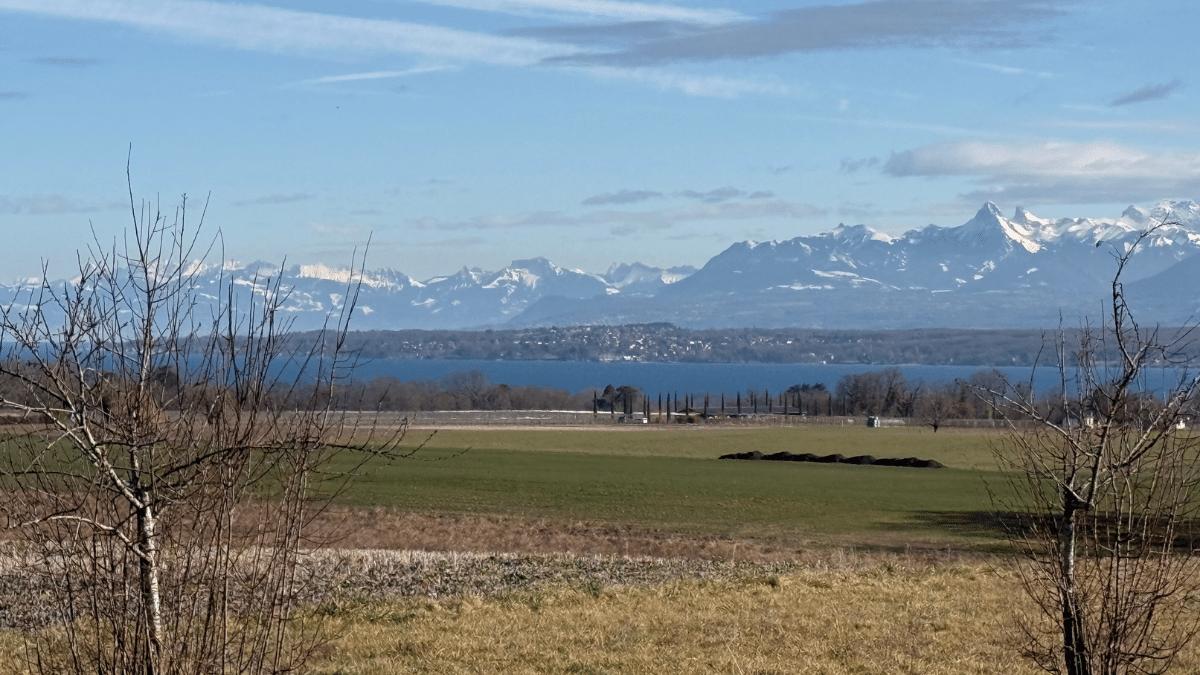
As I reached a crest overlooking the lake, one of my favourite sights, something landed very clearly in my body.
I hadn’t spent enough time living in Zone 2 last year.
And it was catching up with me.
That insight didn’t arrive as self-criticism. It arrived as information. Useful, neutral, and honest. The kind that allows recalibration rather than collapse.
Translating Zone 2 Into Everyday Life
When we move the idea of Zone 2 out of training and into life, it becomes a powerful metaphor for sustainable living, stress management, and nervous system health.
Here’s how I see Zone 2 living in daily life.
1. Consistency Over Intensity
Life is more marathon than sprint.
A sustainable pace matters more than occasional heroic effort. Continuous surges of intensity, without adequate recovery, push stress hormones like cortisol higher and higher. Over time, this creates what researchers call allostatic load, the cumulative wear and tear on the brain and body caused by chronic stress.
Zone 2 living prioritizes steadiness over spikes.
2. Recovery and Rest Are Non-Negotiable
Runners schedule slow days and rest days. Busy humans need the same.
Intentionally leaving blank space in the calendar, and then keeping it blank, is a skill many of us were never taught. We need unstructured time to regulate stress hormones, stabilise mood, and allow the nervous system to downshift.
Without true recovery, productivity drops, emotional regulation suffers, and fatigue quietly accumulates.
3. Long Runs and Deep Focus
In marathon training, long slow runs build endurance and confidence.
In life, the equivalent is uninterrupted time for meaningful work and personal projects. Protected focus, without multitasking, allows us to enter flow. This is where progress feels lighter, clearer, and more satisfying.
Zone 2 living respects depth over fragmentation.
4. Embracing Discomfort Without Panic
Running a marathon is not comfortable. It simply isn’t.
Most challenging phases in life are also uncomfortable, but temporary. When we name the phase, “This is a demanding season” or “These are the hard kilometres”, we create space between ourselves and the discomfort.
That space gives us agency. From there, we can support ourselves rather than judge ourselves.
5. Prioritising Without Apology
You cannot do everything.
Marathon training demands adequate sleep, nutrition, and a sensible plan. Life demands the same. Zone 2 living asks us to audit where our time and energy leak, excessive screen time, constant availability, saying yes to everything, and to make intentional choices.
Saying no is often a yes to longevity, creativity, and joy.
Why Zone 2 Days Matter for Longevity and Wellbeing
As I plan my year, personally and professionally, Zone 2 days are non-negotiable. I’ve already declined invitations I would normally jump at, because I know that protecting these days protects my health, my creativity, and my capacity to show up fully.
We are not meant to live overscheduled, overstimulated, or overextended.
Zone 2 Living and Micro-Regulation Throughout the Day
Zone 2 living isn’t only about big scheduling decisions. It also lives in the nervous system.
Throughout the day, the body benefits from micro-moments of downshift, small pauses that allow regulation rather than accumulation. Simple breathing practices, body awareness, and brief resets can significantly reduce sympathetic nervous system activation and support emotional regulation.
The Sophrology Academy recently shared a lovely collection of seven micro-practices that can be woven easily into daily life. They are gentle, accessible, and very much aligned with the spirit of Zone 2 living.
These small resets matter more than we realise.
A Gentle Invitation
If you’re ready to recalibrate, to move from survival pacing to sustainable living, there are daily Zone 2 micro-practices listed above, along with several ways I support individuals and families throughout the year.
Balance on, my friends.
No Comments