


25 Mar Give your BRAIN a BREAK!
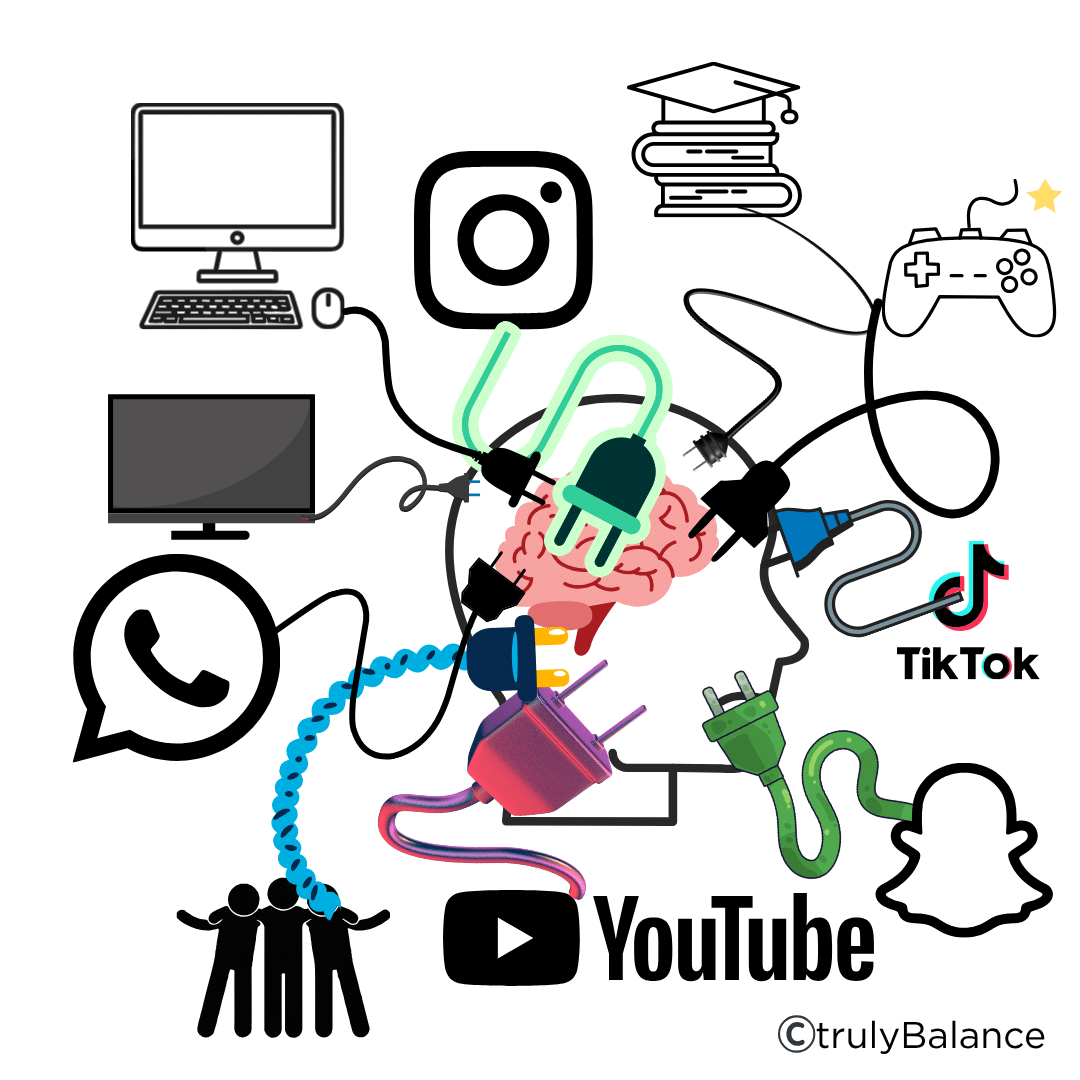
Many people today are living with an overloaded nervous system – even if they would not use those exact words.
We move quickly from task to task, conversation to conversation, screen to screen.
Our days are full of information, decisions, responsibilities, and stimulation. The brain is incredibly adaptable, but it is not built for constant input without recovery.
Our nervous system is in overdrive and it needs a break.
Researchers studying attention and performance consistently find that sustained focus requires regular periods of rest. Without those pauses, fatigue builds, concentration drops, and emotional regulation becomes harder. Watch my video where I explain the above in more detail.
—>> Click on the video below <<—

The encouraging news is that regulation does not require dramatic changes or long breaks. Small, intentional pauses throughout the day can support attention, reduce stress, and improve overall wellbeing.
Here are several simple brain breaks that help the nervous system recover and reset – many of them taking less than two minutes.
Eye Break
Use the 20-20-20 rule. Every 20 minutes look 20 feet (6 meters) away for 20 seconds.
This simple habit helps reduce mental fatigue. Research from the American Optometric Association shows that prolonged screen use decreases blink rate and increases eye strain, headaches, and difficulty concentrating.
Movement Break
Every 2–3 hours take a technology-free walk. Just notice something about where you are, the visuals farther away and closer at hand, the sounds, smells, colors and sensations on your skin. Or focus on your body and how it moves. Even brief movement increases blood flow to the brain and supports cognitive performance.
Hydration Break
Your brain is 70-75% water and even mild dehydration can affect attention, memory, and energy levels. Hydration is one of the simplest ways to support mental clarity and probably the most powerful one!
Nature Break
Two to five minutes looking at nature can help reset the brain. Looking at the sky, the trees, water, or even indoor plants can help!
Nature is one of the nervous system’s oldest regulators. Research in environmental psychology has shown that exposure to natural environments can lower cortisol, improve mood, restore focus and reduce stress.

Photo by Paul Matheson on Unsplash
Transportation Break
On your way to and from work, stay unplugged. Read a book, listen to the sounds around you, stare out the window and watch the world go by. This ‘free space’ is fertilization for creative thinking and problem solving.
Social Break
Talk with a human! Even short positive social interactions can improve mood and helps to regulate the nervous system and restore mental energy.
Being Break
Reset your nervous system right where you are! Not all breaks require you to go somewhere.
Sometimes the most powerful reset is simply coming back into your body (something Sophrology is great for). A Sophro being break can be done anywhere, in just a minute or two:
- Start by standing up.
- Gently shrug your shoulders, or even bounce a little to release any tension that has built up in the body.
- Then pause and be still.
- Close your eyes if that feels comfortable.
- Bring your attention to your breath.
- Notice where you feel the breath in your body – your chest, your ribs, your belly.
- Let your awareness drop into your entire body.
You can stop here and slowly open your eyes or you then might choose to:
- Feel your feet on the ground. Notice the muscles that are quietly working to keep you upright.
- Notice the weight of your body, let gravity hold you for a moment.
- Do a quick tense and release from head to toe. Gently activating the body through a breath-hold and tense, then letting go of the breath and tension at the same time.
- Or simply imagine the feeling of the warm sun on your skin or any other pleasant sensation.
Final Thoughts
These small moments of awareness help shift your nervous system out of ‘doing mode’ and back into regulation and presence.
Your brain and nervous system were not designed for constant input. It was designed for the natural rhythm of life: Focus → Pause → Reset.
When we respect that rhythm, we think more clearly.
We respond more calmly.
We sustain our energy for longer.
Balance on, my friends…
No Comments